Our actions
To marvel
La Croix-Valmer, a village nestled in an exceptional environment, in the heart of a protected area, owned by the Conservatoire du littoral, managed by the Port Cros National Park.
What to do, what to discover?… a land of walks and hikes, both on foot and by bike (mountain bikes, hybrid bikes, cycle paths), postcard landscapes , breathtaking panoramas, a magnificent coastal path magnifique… Follow the guide!
Cap Lardier
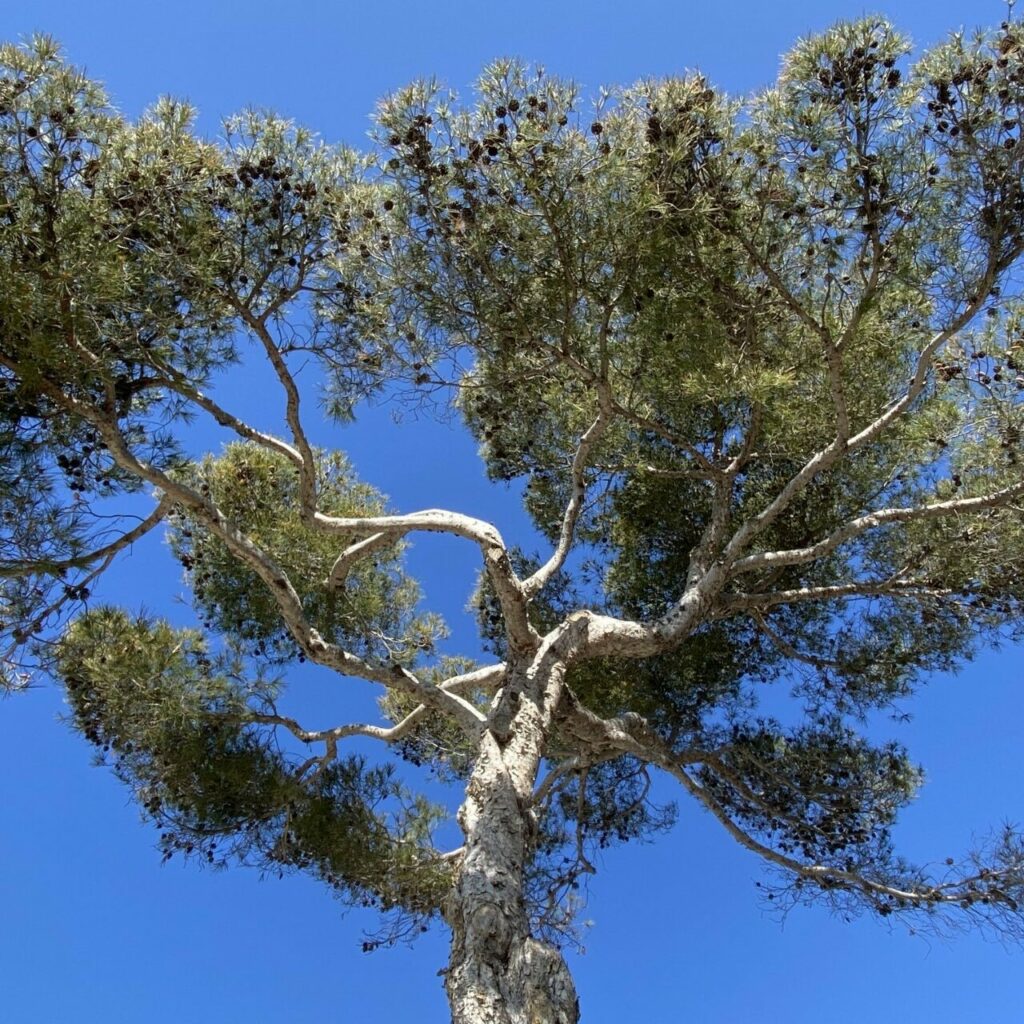
Cap Lardier is the first of the three capes on the Saint-Tropez peninsula and the most wooded. It is one of the last remaining undeveloped areas on the peninsula. Classified as a protected area in 1930, it boasts 6 km of coastline shielded from development. Footpaths wind through its Mediterranean pine forest, characterized by its distinctive three-species trees.
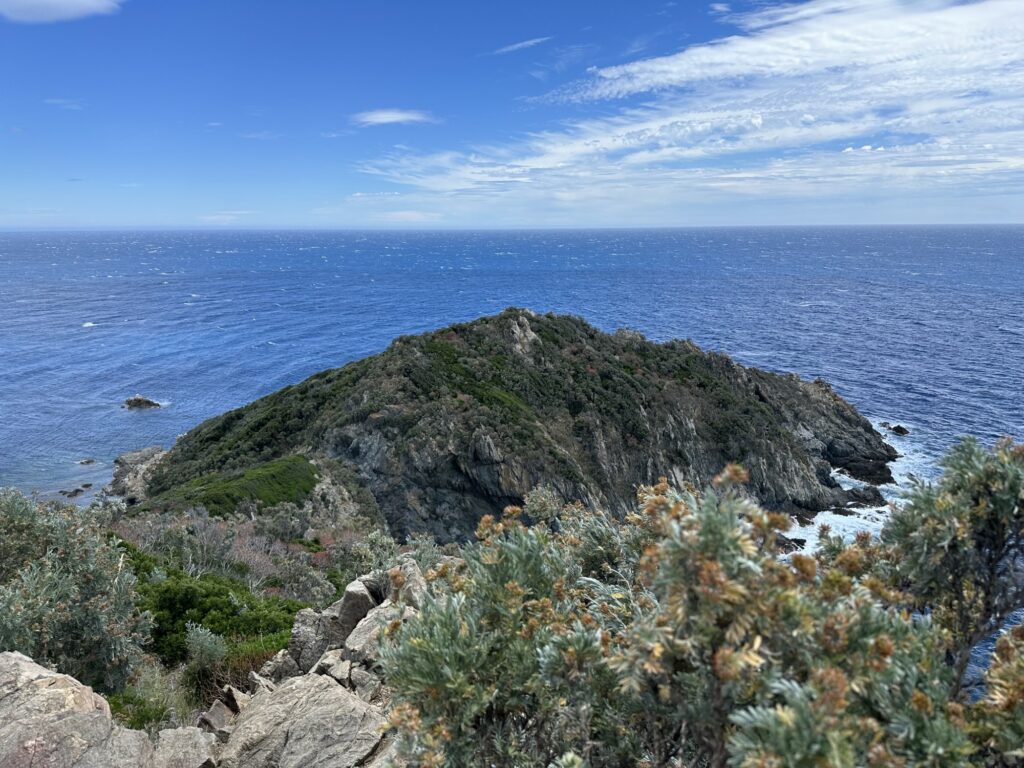
La Croix Valmer, a
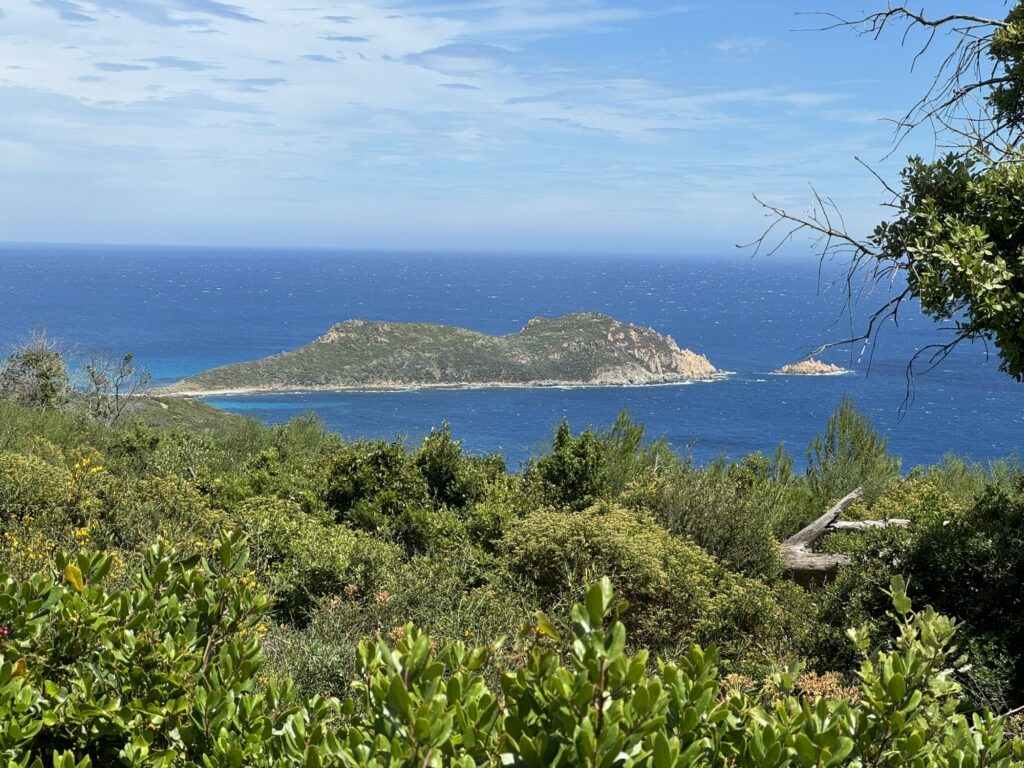
Cap Taillat
Cap Taillat is a natural gem, nestled between Cap Lardier and Cap Camarat, distinguished by its isthmus. It offers walkers over 2.5 km of coastal paths, beautifully maintained and lined with lush vegetation. Trails also lead inland, allowing visitors to explore the vineyards and historical sites (such as the Briande Dolmen). Also listed as a protected site in 1930, its summit offers a breathtaking view of the other two capes and the Îles d’Hyères.
The wildlife
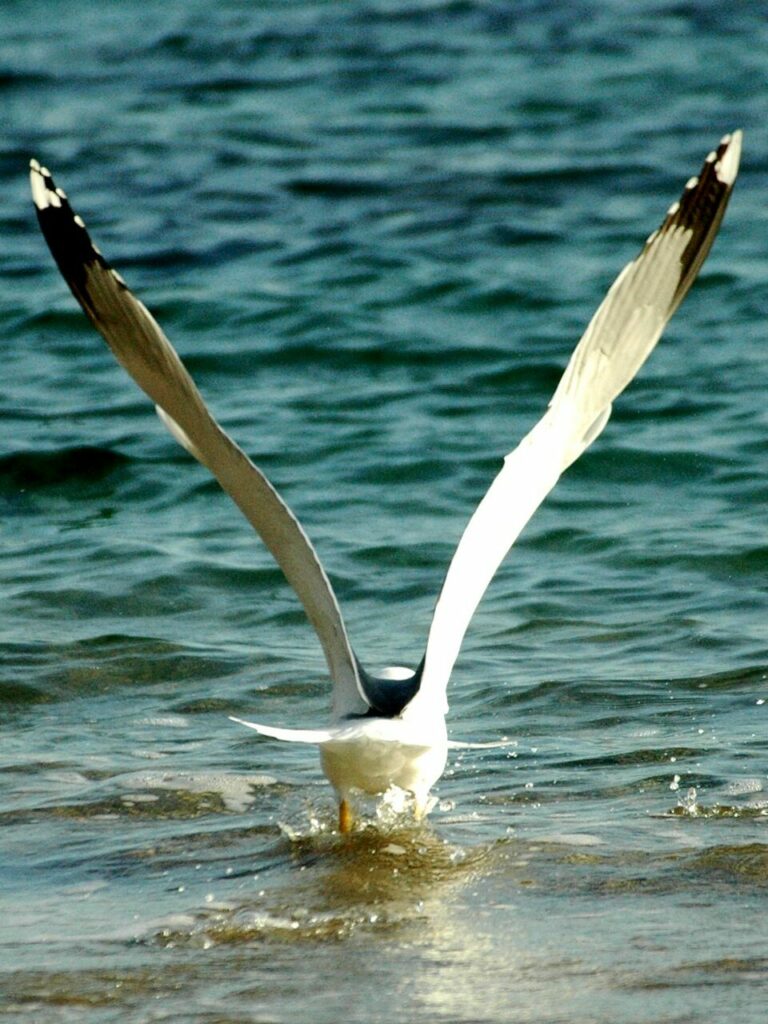
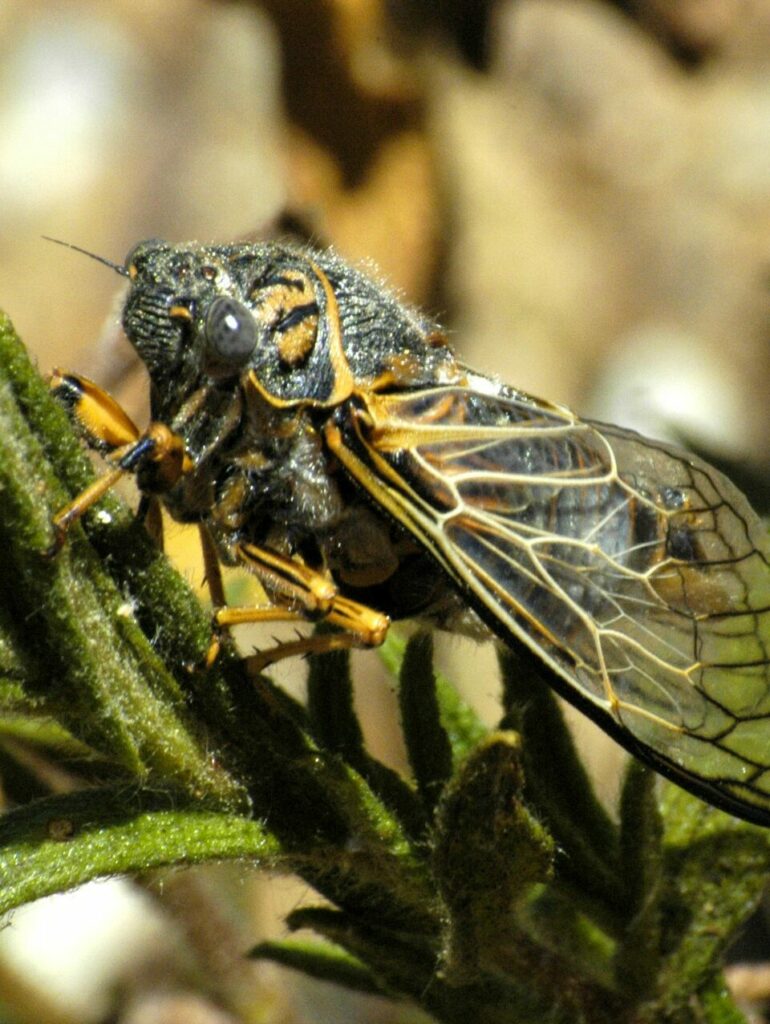
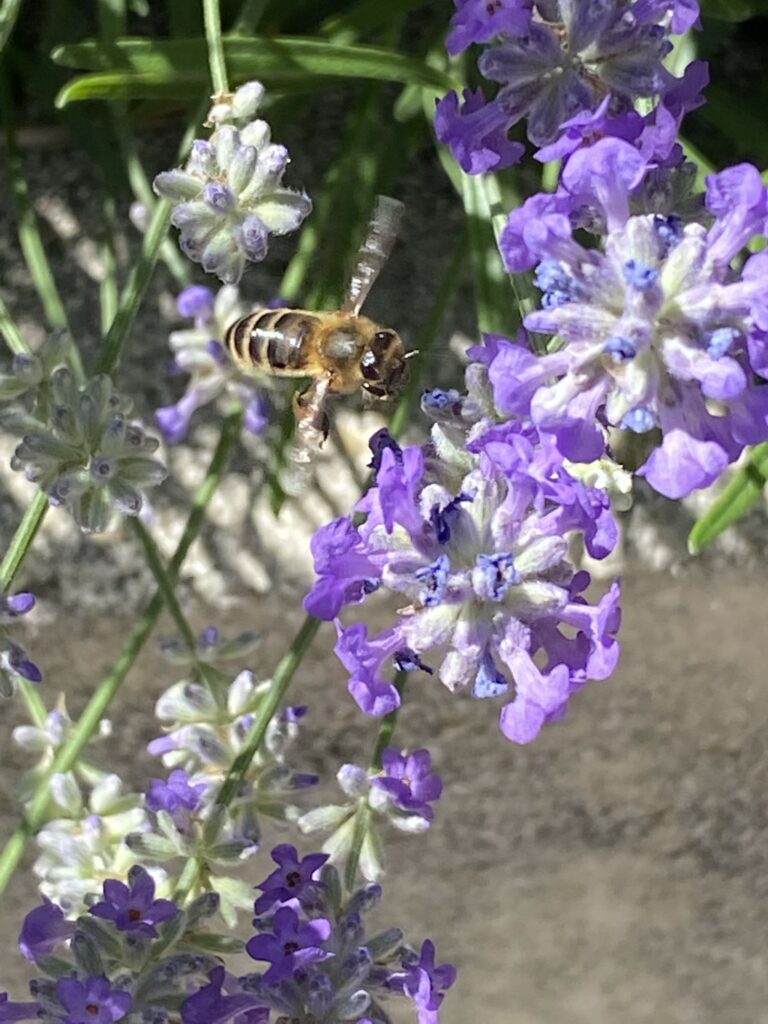
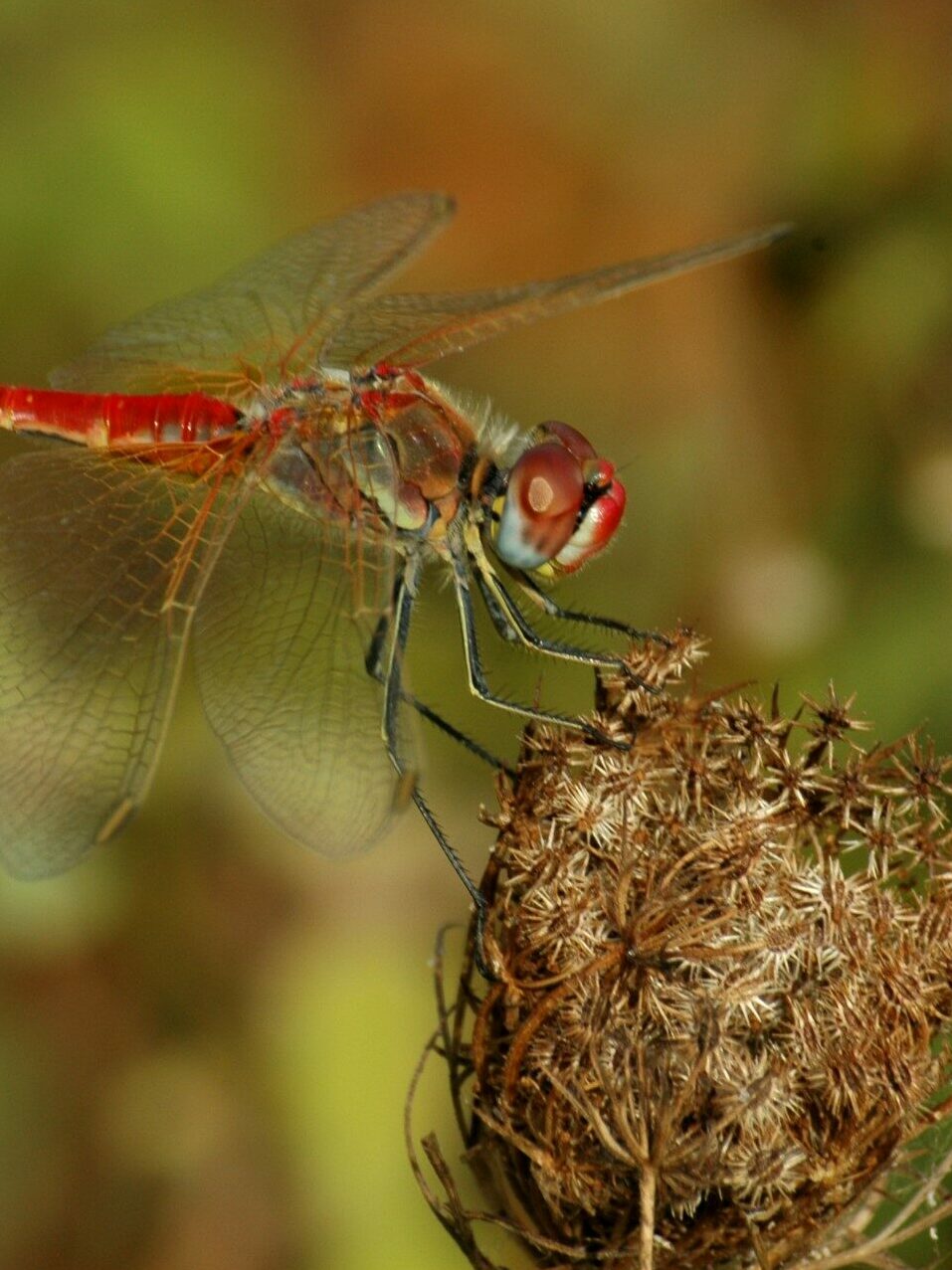
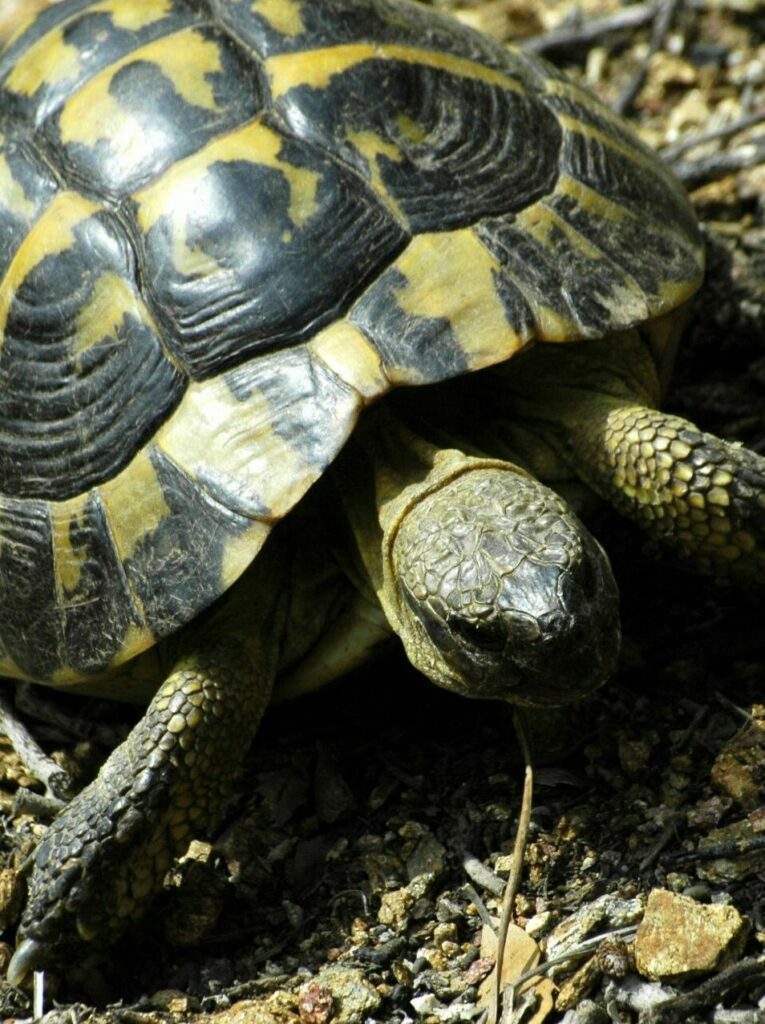
Like the landscapes and flora of the two capes, the fauna is very diverse. 120 bird species have been recorded, including Hermann’s tortoise, European pond turtle, and ocellated lizard. Two remarkable insects have made their home here: the cottony cicada and the toothed magician grasshopper. Numerous marine species (groupers, brown meagre, fan mussel) share the turquoise waters.
The flora
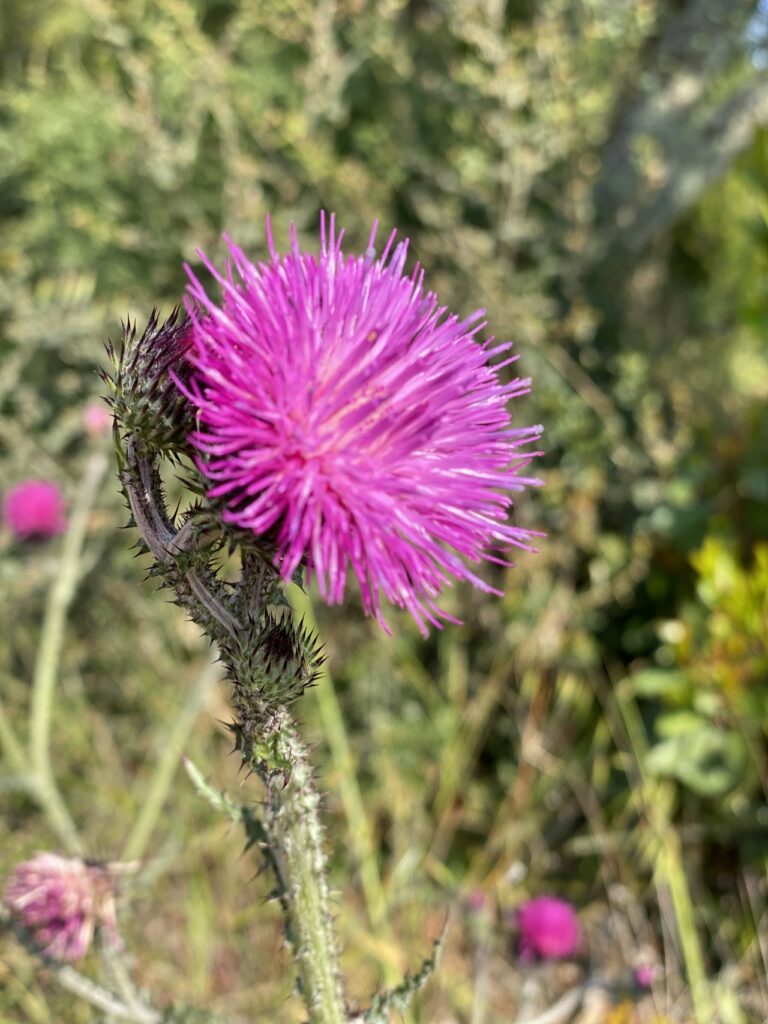
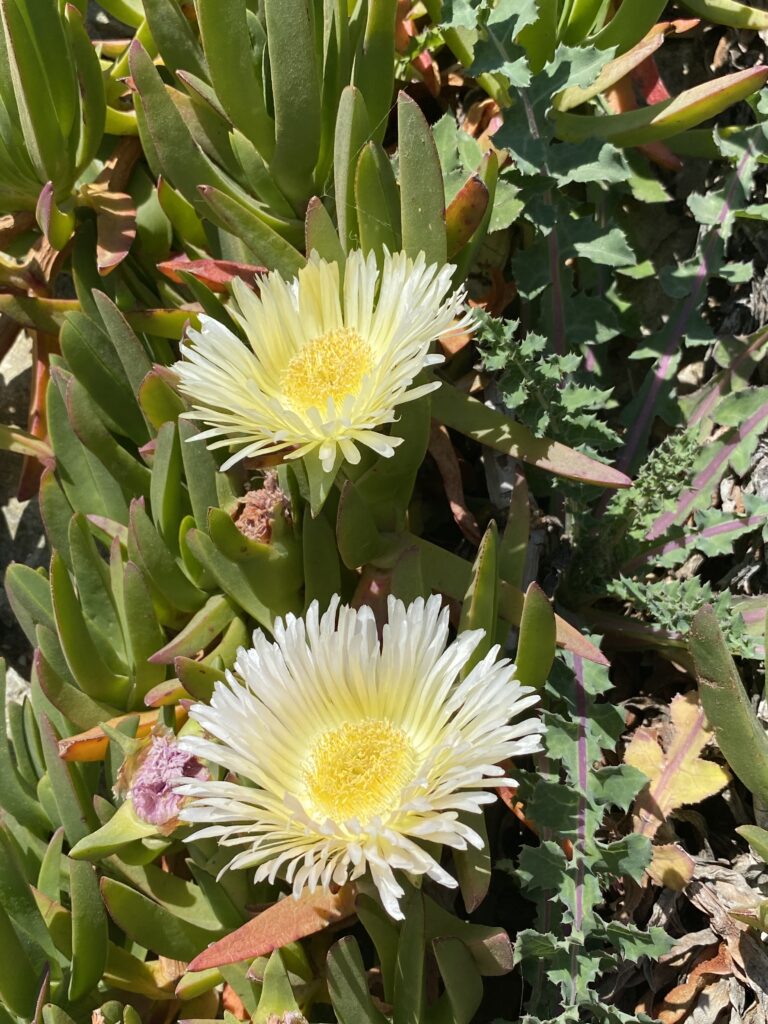
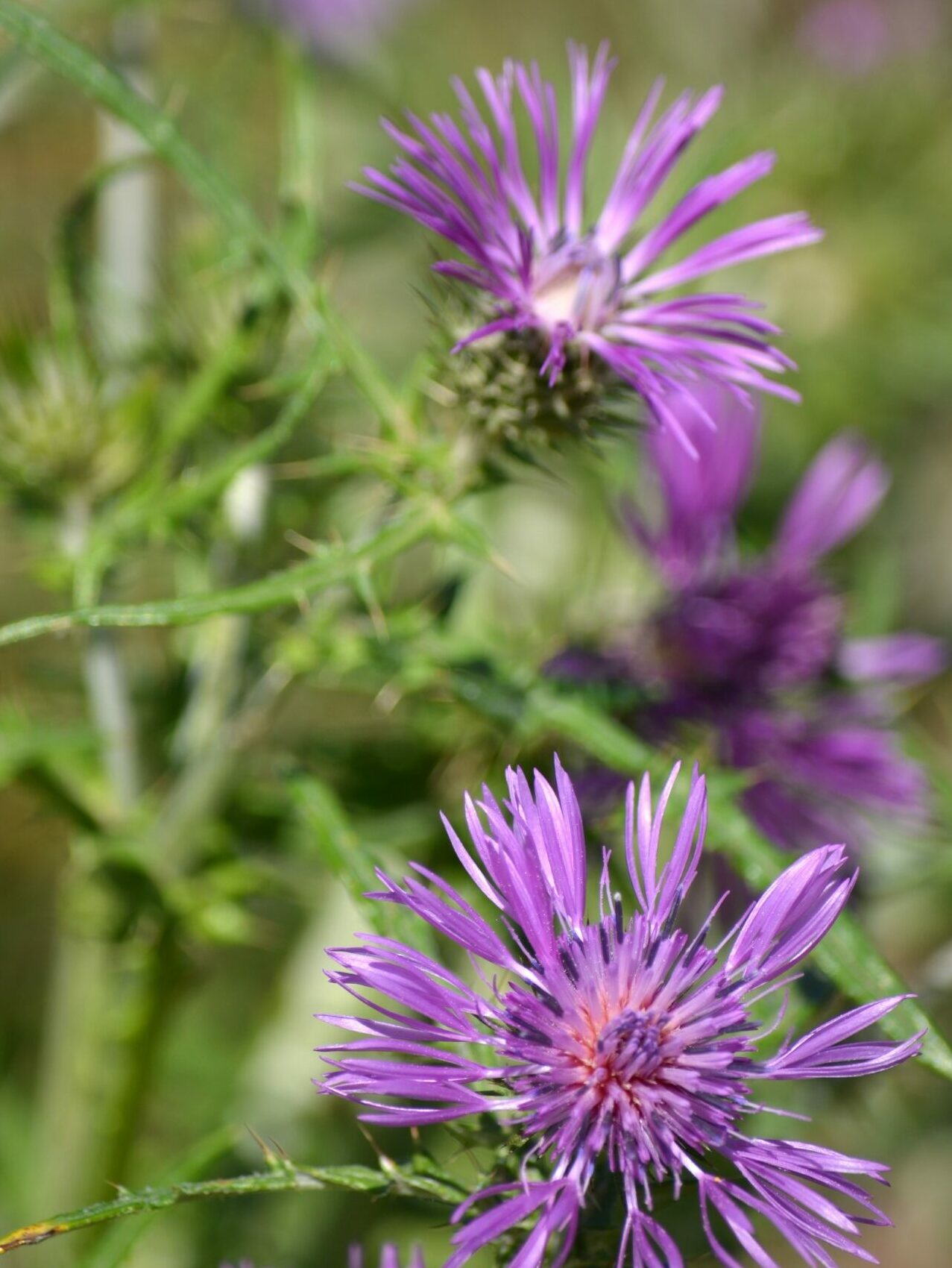
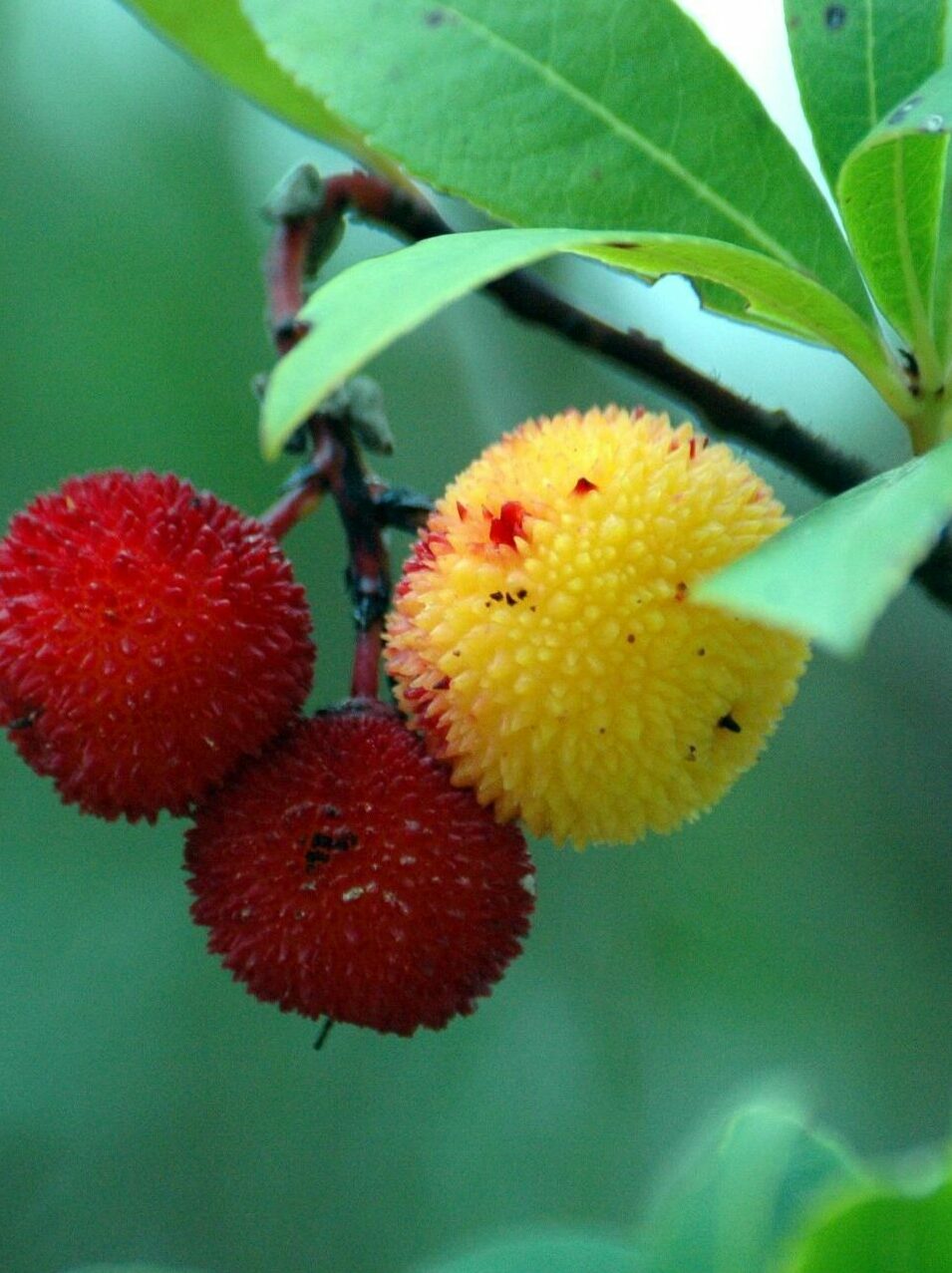
A multitude of terrestrial and marine habitats have been identified: grey dunes, cliffs, Posidonia seagrass meadows, Serapias (orchid) grasslands, Jupiter’s Beard, Dwarf Palm, and even the Blue Thistle (symbol of the Conservatoire du Littoral). Nearly 500 species have been recorded. The site’s management, now more than ever, aims to promote the return of the habitats and species that existed before the 2017 fire.



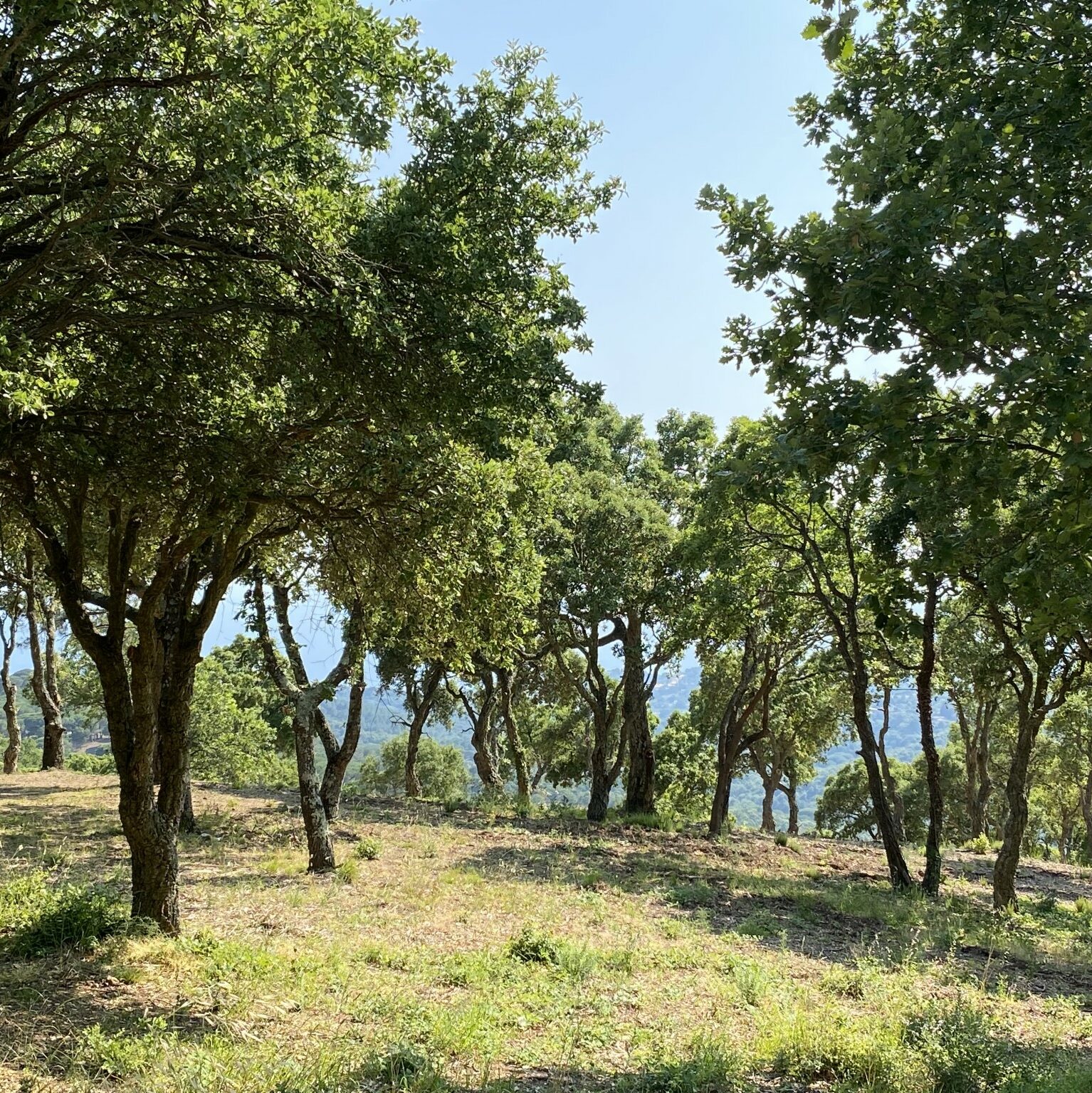
Oaks and Pines
This is one of the rare sites where the 3 species of oak (holm oak, cork oak and downy oak) and the 3 pines (Aleppo pine, umbrella pine and maritime pine) coexisted.
Commit
The actions of the Tourist Office
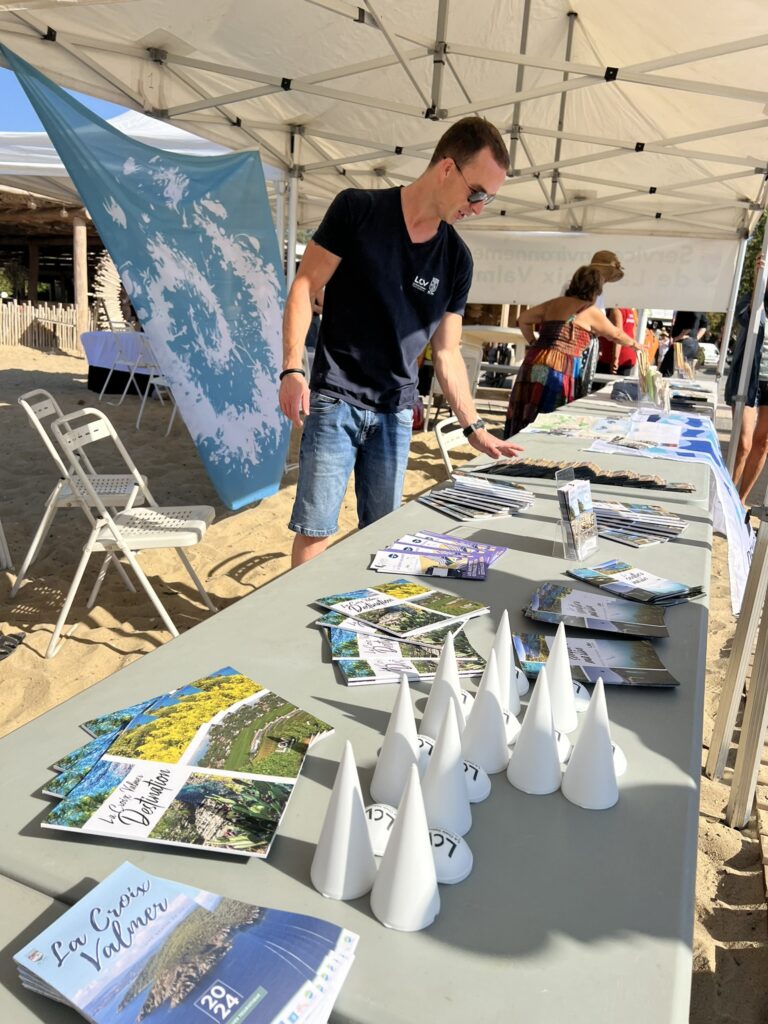
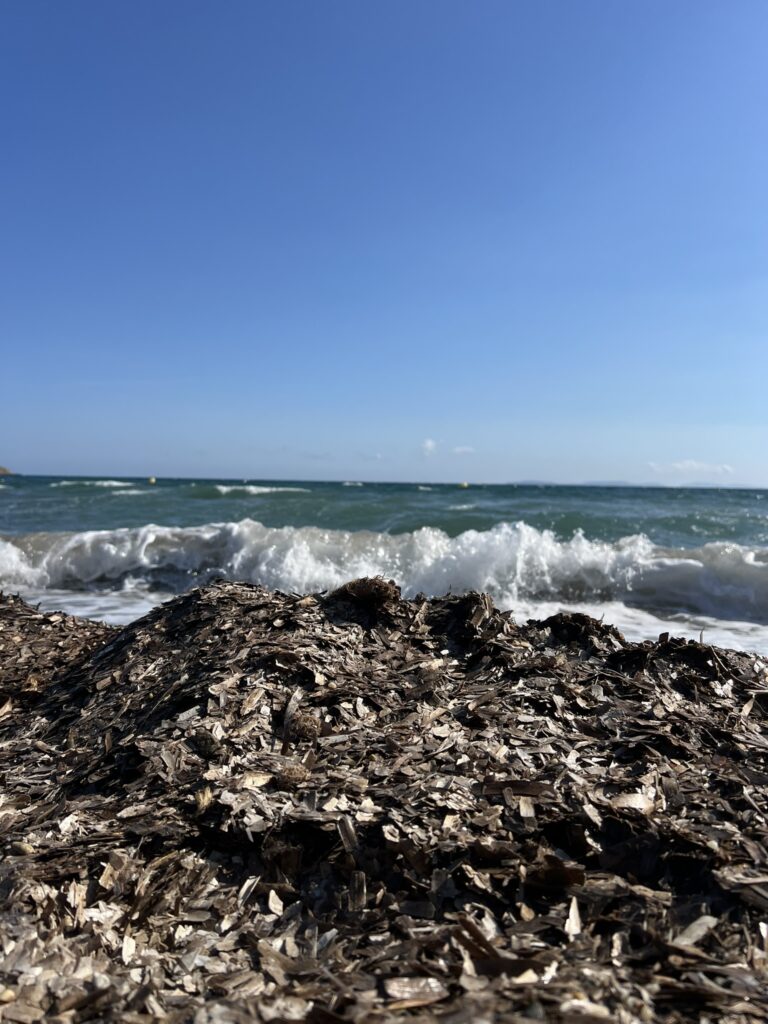
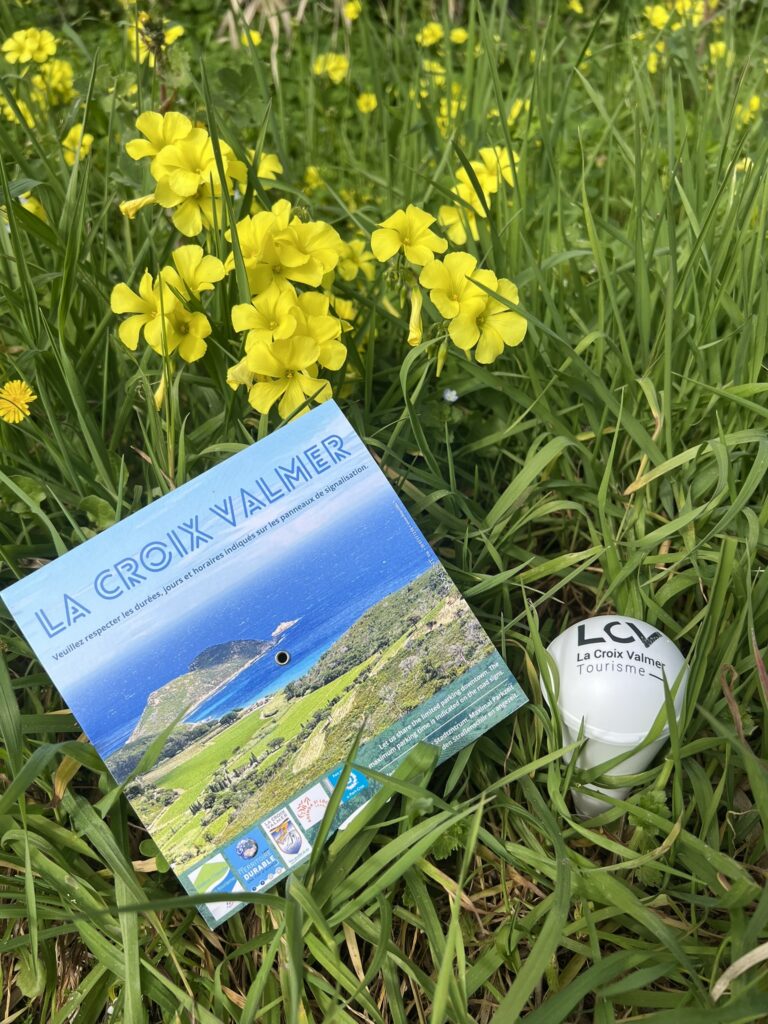
The Tourist Office protects this destination through daily actions, eco-friendly practices, and internal operations. As part of its Destination of Excellence initiative, but also out of conviction and respect for our beautiful region, the Tourist Office is committed to environmental protection.
To reduce its paper consumption
- Choosing eco-friendly printing: We collaborate with a PEFC* certified printer, guaranteeing that our publications meet environmental standards and support sustainable forest management. For our daily needs, we have opted for recyclable A4 paper, FSC-C002321 certified, with the European Ecolabel and compliant with ISO 9706. To limit our environmental impact, all our brochures are available for download directly from our website, thus encouraging digital document storage.
- Responsible printing practices in-house: Within our offices, printing is carefully managed. We prioritize double-sided printing, and outdated printouts are meticulously preserved for internal reuse. Furthermore, rigorous recycling is carried out by all employees.
- Digitalization and reduced printing: We limit the number of printed materials and prioritize the distribution of brochures “on demand.” In addition, we offer posters with QR codes for quick access to digital editions. Mailing brochures is also limited. We carefully monitor our document inventory to minimize unnecessary printing and optimize resource use. We are continuing this digitalization process with the creation of a Roadbook for our visitors – a digital travel companion featuring a flexible itinerary, updated in real time, in which our reception team compiles essential information, local addresses, services, and other news relevant to each visitor’s profile.
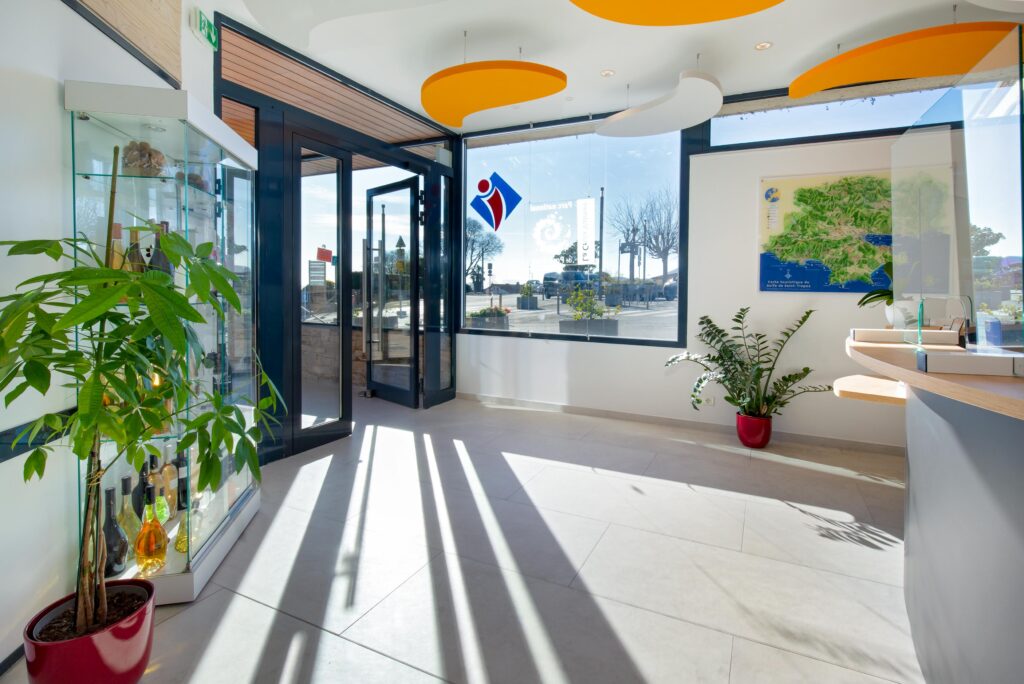
To act on what he controls
.
- Prioritizing sustainable and local materials: We choose sustainable solutions for our furniture, favoring wood over plastic, and eliminate disposable items by using glass tableware. During peak season, our teams wear organic cotton clothing, and we prioritize products made in France or of European origin whenever possible.
- Waste reduction and recycling: Le Waste sorting is a cornerstone of our environmental approach. We have several dedicated bins: paper, cardboard, and pallets are deposited in specific collection points. Copier and printer consumables are collected by the local authority.
- Supporting local businesses and service providers: We promote local commerce by collaborating with wineries in the Croisic region for our gifts and events. For printing our printed materials, we work with a company based in Croisic. On our website, we highlight QT and EPN certified service providers to promote their values and initiatives.
- Eco-responsible mobility and organization: To limit the environmental impact of our activities, we favor webinars and videoconferences, whenever possible, for training sessions or technical workshops. If travel is unavoidable, carpooling is strongly encouraged, particularly to reduce our carbon footprint.
To reduce its energy consumption
- Optimizing energy consumption: We make sure not to turn on lights when natural light is sufficient. Our premises are equipped with low-energy LED lighting, and the exterior lights are synchronized with the streetlights via a timer. To further limit energy costs, we have installed motion detectors for the lighting in the corridors and restrooms. In unoccupied rooms, the lights remain off.
- Efficient use of equipment and systems: Air conditioning and heating are used sparingly, favoring natural ventilation by opening doors and windows when the outside temperature allows. Electrical equipment, such as lights and computers, is switched off as soon as the offices are unoccupied. Furthermore, our printers and copiers automatically go into standby mode and are configured for duplex printing by default to save energy and paper.
- Monitoring and maintenance for responsible consumption: We conduct annual monitoring of our water and electricity consumption, which allows us to identify areas for improvement. Appliances such as the refrigerator are defrosted regularly, and the coffee machine switches off automatically after use. Our bathrooms are equipped with dual-flush toilets and aerators on the faucets, thus optimizing our water consumption.
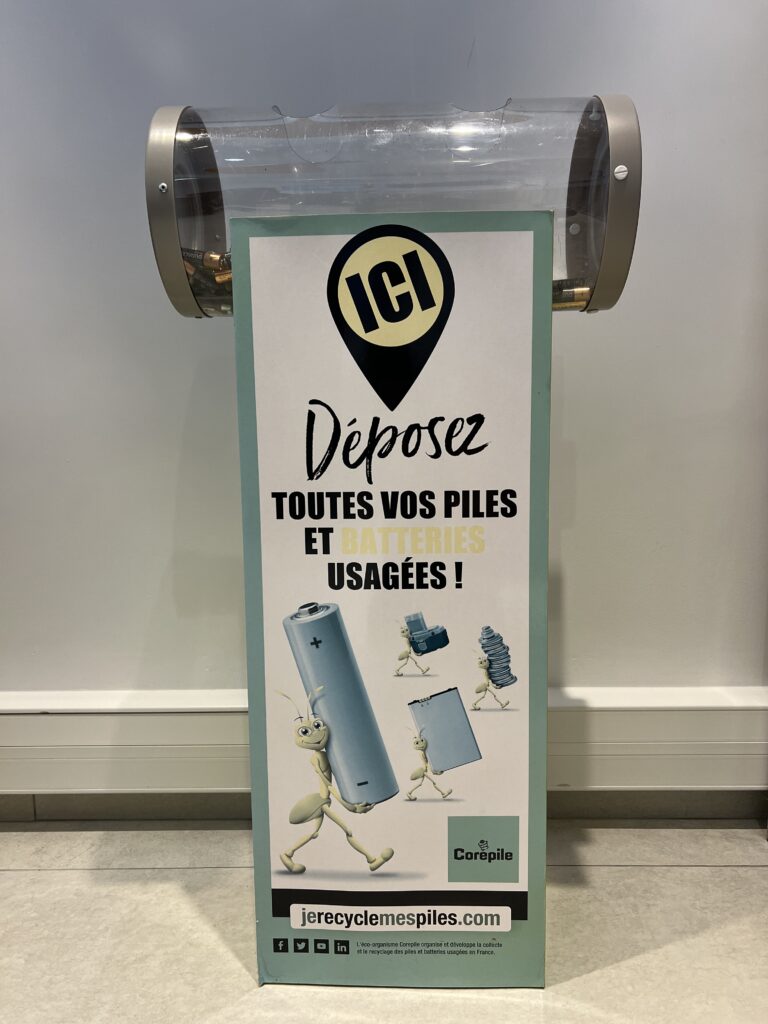
- Digital management and reduction of “e-waste”: We encourage responsible use of our digital tools by limiting unnecessary email replies, regularly emptying trash folders, and archiving updated content on servers according to the IT department’s instructions. A battery collection point is also available within the Office.
- Promoting high-performance equipment: In an effort to improve energy efficiency, and where possible, we prioritize devices with energy classes A, A+ and B. These choices allow us to reduce our impact while maintaining optimal performance for our activities.
To go further
The Tourist Office has been awarded the “Accueil Vélo” (Cyclist Welcome) label, demonstrating its commitment to meeting the expectations of a growing audience of cyclists who enjoy active and sustainable holidays. This commitment reflects a desire to embrace sustainable tourism in a context where environmental issues are increasingly visible due to the impact of climate change on our daily lives. This label allows us to target visitors accustomed to “off-season” tourism, who appreciate our routes when temperatures are milder, thus helping to revitalize the less busy periods.
The Vignobles & Découvertes label is a national distinction awarded to tourist destinations that offer high-quality wine tourism experiences, combining vineyard exploration with authentic and immersive activities. Supported by Atout France, this label guarantees visitors a variety of well-organized activities: guided tastings, meetings with winemakers, cellar tours, walks through the vineyards, and workshops to deepen their wine knowledge.
In La Croix-Valmer, this label showcases our exceptional wine heritage, highlighting estates committed to sustainable practices, preserved landscapes, and events that celebrate the connection between wine, gastronomy, and the land. It’s an invitation to explore the terroir in a new way, with the assurance of unforgettable experiences, suitable for all audiences.

Les engagements de la collectivité
The municipality is committed! Making La Croix Valmer a responsible destination is a given, considering its environment and economy.
Bulky waste management
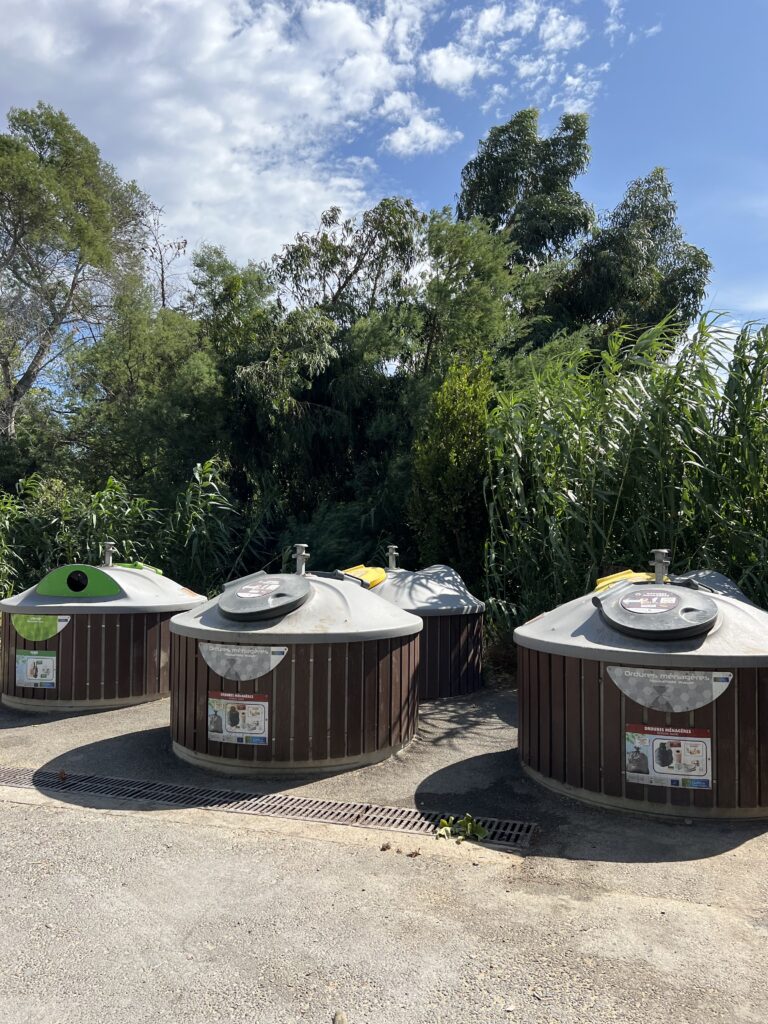
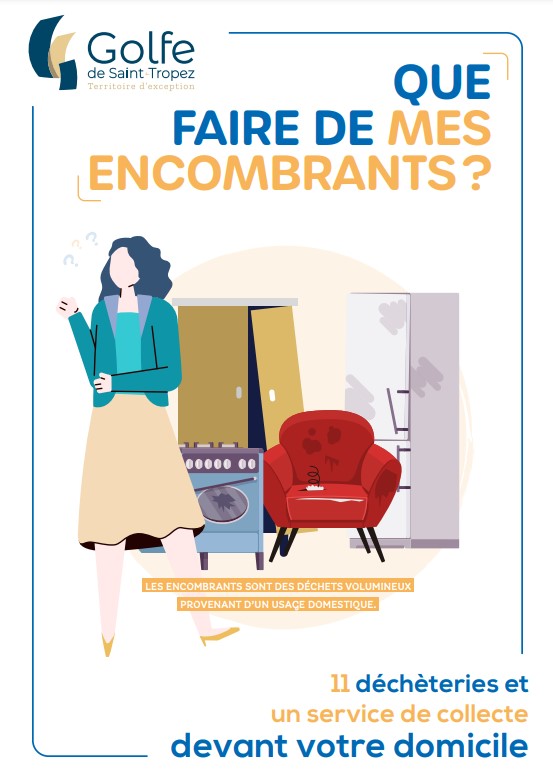
Bulky waste refers to large items of household waste. There are two ways to dispose of it. You can drop it off at one of the 11 waste collection centers and two green waste platforms in the Gulf area, which are available to both individuals and businesses (call 04 94 96 06 68 before going – some are temporarily closed for renovations, and the types and quantities of waste accepted vary). Alternatively, contact Allo Encombrants at +33 (0)800 732 122 to arrange collection.
- Obtaining the “Bathing Water Quality” label in recognition of the municipality’s commitment to maintaining a quality environment.
- Promote and preserve biodiversity, water and its natural resources through commitment to “zero plastic waste” and the creation of an Atlas of Municipal Biodiversity (inventories, studies and censuses of fauna and flora species in the municipality, etc.).
- To promote and showcase the ruins of the Roman villa Pardigon II through visits.
- Promoting sustainable consumption by ensuring the promotion of local products through the “Esprit parc national” brand.
- Making our territory sustainable by continuing its development, in particular with the renovation of public lighting to become more environmentally friendly.
- Promoting eco-citizenship, health and community living through public awareness of environmental protection (campaign against cigarette butts, encouragement of selective sorting, exchanges with elected officials…).
2 events on the town’s agenda
Nettoyons le Sud: a major cleanup day bringing together municipalities, associations, and citizens of the South Region! In 2025, for the 3rd edition, 100 tons of waste were collected at 400 collection points by 25,000 participants determined to preserve our beautiful region during a great day of celebration. The mobilization continues: see you next year!
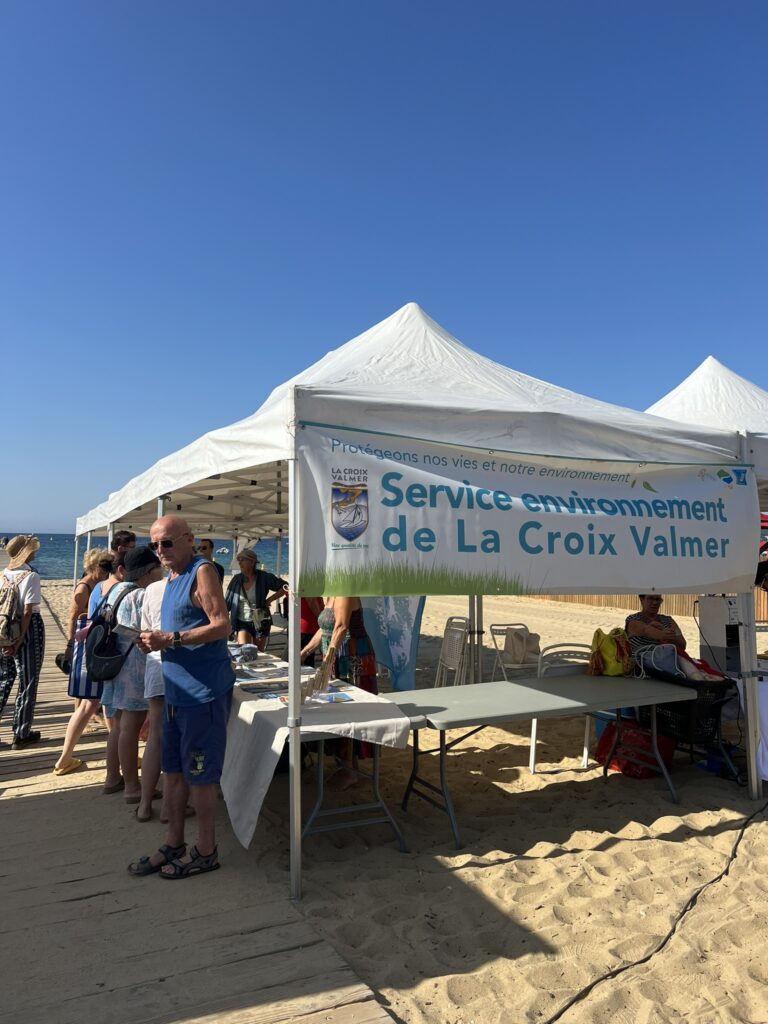
Environment morning: stands, raising awareness at the D-Day landing beach for a cause that is close to our hearts.
Zero Plastic Waste Charter
3 main axes: Raising awareness of plastic waste reduction; Implementing responsible use of plastics; Managing and recycling plastic waste.
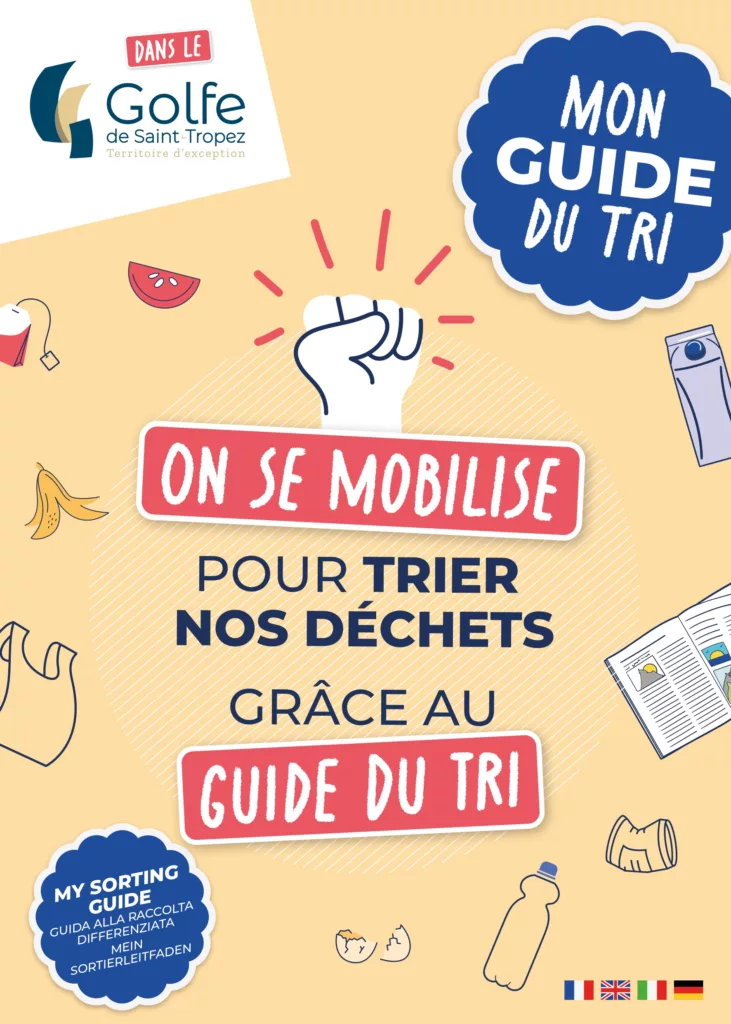
The Community of Municipalities also works
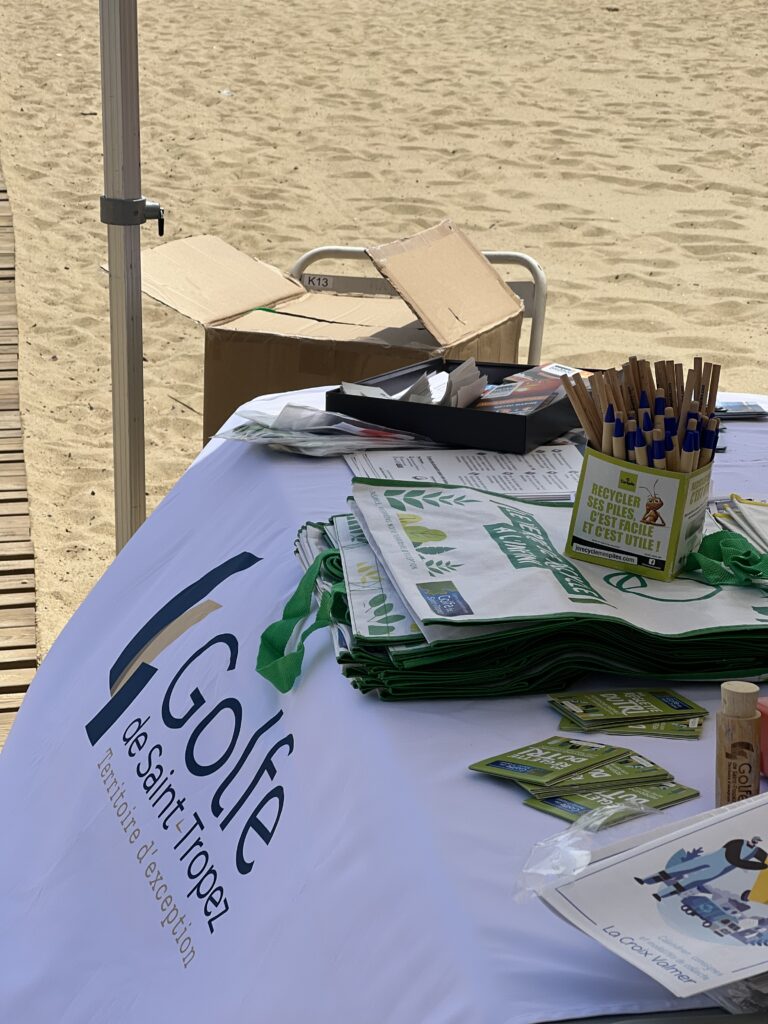
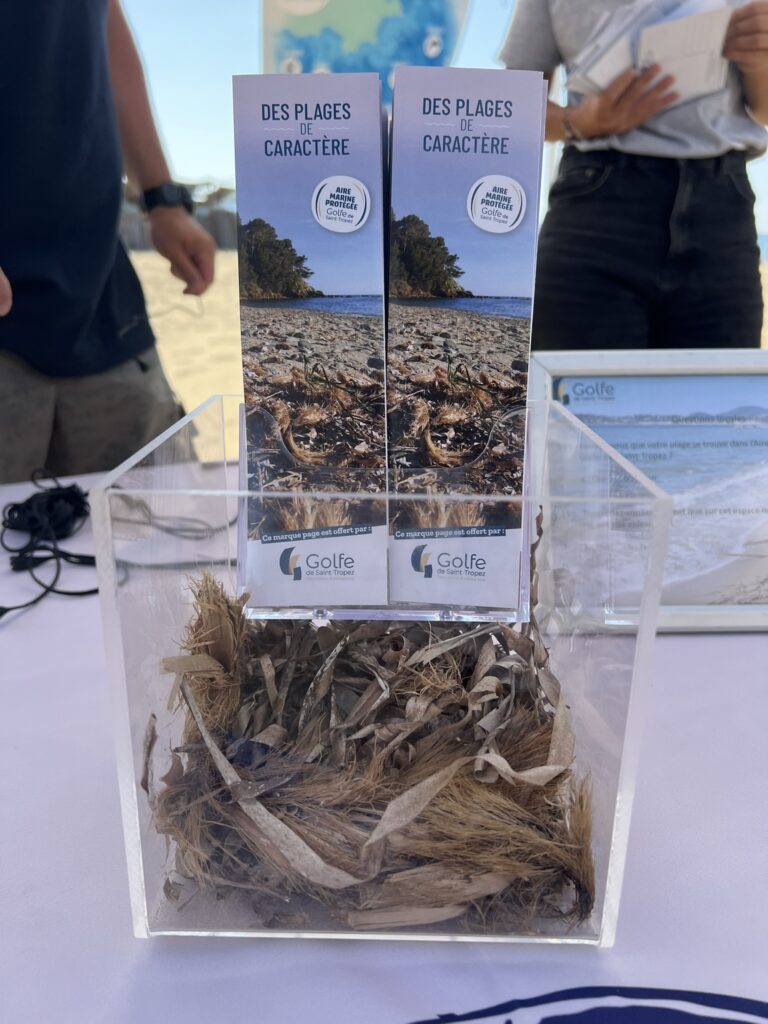
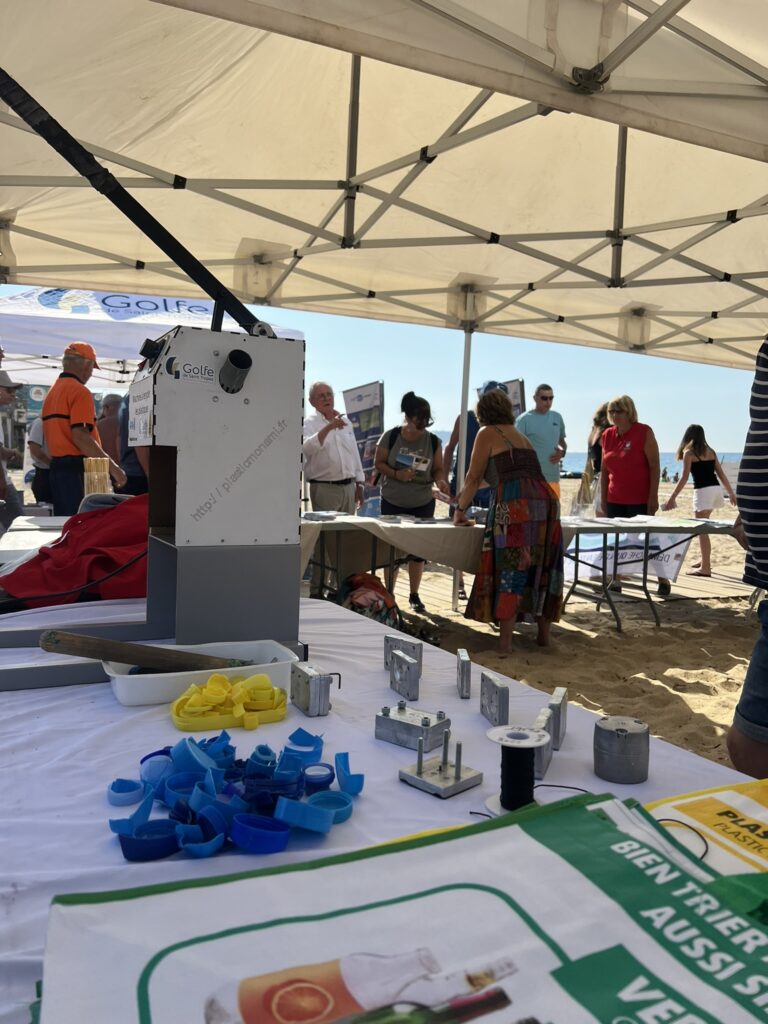
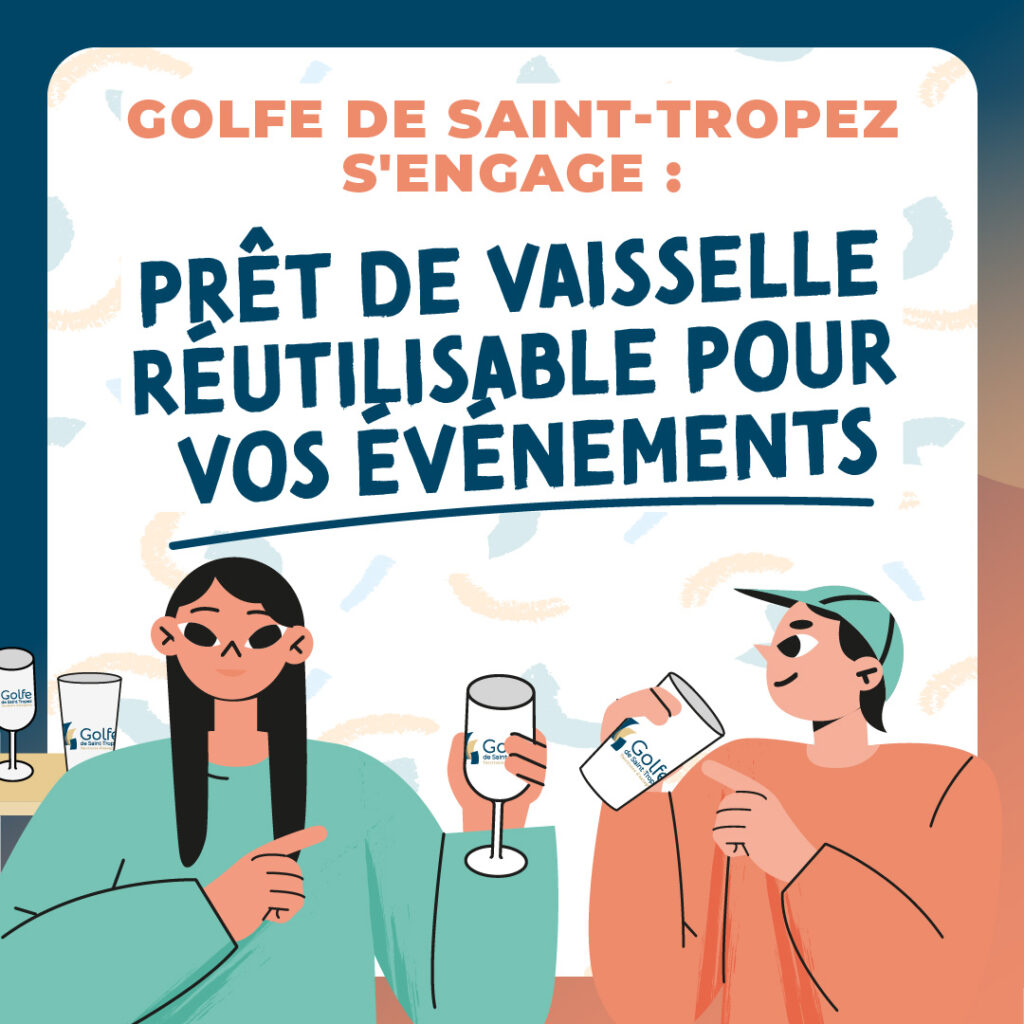
The inter-municipal community is committed ! At the level of the Gulf of Saint-Tropez inter-municipal community, several waste management initiatives are being implemented:
- the loan of reusable dishes
- composting and food waste
- a range of training courses for waste sorting
- awareness campaigns via recycling ambassadors
- waste collection in the 12 municipalities
- textile collection
- 11 waste disposal sites and 2 green waste platforms are available to individuals and professionals in the Gulf of Saint-Tropez area.
- In addition to its 11 waste collection centers, the Saint-Tropez Community of Municipalities directly manages one green waste recovery site. Collected mainly at the inter-municipal waste collection centers, green waste is thus diverted from the traditional household waste treatment circuit and processed to provide useful solutions for the agricultural sector, individuals, and, to a lesser extent, energy recovery.
For more informations : https://www.golfe-sainttropez.fr/vivre-ici/gerer-mes-dechets